.png)


cigarette addiction
The Role of the Anterior Cingulate Cortex and Insula in Smoking and Treatment with Neurobiofeedback: A New Approach
https://www.instagram.com/reels/DFnyGhyg7LL/
https://youtu.be/jX2Q3_Wxc0M?si=M8EdO3AphDP5u3NB
https://youtu.be/jX2Q3_Wxc0M?si=GZ0NUUmAwsrEJBki
Smoking, an addictive behavior, is the most common cause of disease and death in the developed world. However, many smokers find it difficult to quit, even though they know the consequences can be severe. The American Psychiatric Association's DSM classifications and the US Department of Health's reports on nicotine dependence also highlight the strong addictive effect of nicotine. Quitting smoking can be quite difficult, and even after quitting, the relapse rate is very high due to the cravings experienced. The difficulty in quitting and the high relapse rate appear to be due to long-term changes in specific deep brain subsystems. One of the most challenging aspects of quitting smoking is the intense craving and risk of relapse that arises after the decision to quit. Animal models have shown that changes in areas such as the amygdala, nucleus accumens, and mesothelencephalic dopamine system promote the self-administration of harmful substances. Since craving is a significant factor leading to relapse among smokers trying to quit, controlling this craving can help with quitting. The anterior cingulate cortex (ACC) is part of the brain's limbic system. Based on lesion studies in animals and humans, this region has been shown to be associated with affect in both humans and animals. Based on EEG studies, a focal negativity develops after an error response, leading to the theory that the ACC may play a role in the brain's error detection and control. Neuropsychological studies show that the cognitive version of Counting Stroop activates the cognitive subdivision of Emotional Counting Stroop, while the emotional subdivision activates the cognitive subdivision. The cognitive subdivision is part of the distributed attention network, maintaining strong interconnections with the lateral prefrontal cortex (BA 46/9), parietal cortex (BA 7), and premotor and complementary motor areas. On the other hand, emotional splitting (ACad) is activated by affect-related tasks in normal volunteer work related to emotional processing and when symptoms are triggered in psychiatric disorders (anxiety, simple phobia, and obsessive-compulsive disorder). It has also been repeatedly activated by triggering sadness in normal individuals and in individuals with major depression. The emotional subdivision is connected to the amygdala, periaqueductal gray, nucleus accumbens, hypothalamus, anterior insula, hippocampus, and orbitofrontal cortex. According to functional imaging studies, areas such as the cingulate cortex, anterior cingulate cortex, orbitofrontal cortex, and insula appear to be activated in the presence of drug-related treatments.
INSULA
The insula is of particular interest due to its potential role in conscious impulses. It has been suggested that this area functions in conscious emotional feelings through its role in representing bodily (internal) states. 10-11-12 Subjective drug impulses induced by a cue have been shown to be associated with activity in the insula on both sides of the brain during a simple decision-making task related to relapse into drug use. During a simple decision-making task, a high amount of activity associated with drug use was observed in the right insula.
Interestingly, damage to the insula can lead to the loss of the urge to smoke.
Dr. from the University of Southern California and the University of Iowa According to Antoine Bechara and colleagues, compared to patients with other types of brain damage, patients with insula damage were able to quit smoking immediately, easily, and without relapse. Many methods exist for quitting smoking, ranging from nicotine replacement therapy to psychotherapy, and various personal development and behavior modification programs. However,
their success rates are quite low. It may take several attempts to completely abstain from smoking, and even then, those who quit may experience problems with quitting.
Although 70% of smokers report wanting to quit, only 5% report being able to do so.
The relapse rate is over 70%.
Smoking Cessation Behaviors in US Adults
Most adult smokers want to quit smoking. In 2015, 68% (22.7 million) of adult smokers said they wanted to quit smoking. More than half of adult smokers reported trying to quit smoking in the past year. In 2018, 55.1% (21.5 million) of adult smokers said they tried to quit smoking in the past year. Every year, one in ten adult smokers quit.
Many are successfully quitting smoking. In 2018, 7.5% (2.9 million) of adult smokers successfully quit smoking last year. Four out of nine adult smokers who consulted a health professional last year did not receive advice to quit smoking. Less than one-third of adult smokers use cessation counseling or medications approved by the Food and Drug Administration while trying to quit smoking. In 2015, 31.2% (7.6 million) of adult smokers reported using counseling or medication while trying to quit smoking. In 2015, 6.8% (1.7 million) of adult smokers reported using counseling, 29.0% (7.1 million) reported using medication, and 4.7% (1.1 million) reported using both counseling and medication while trying to quit smoking. In 2015, 57.2% (18.8 million) of adult smokers who consulted a health professional last year reported receiving advice to quit smoking. Even a short (3-minute) recommendation from a physician to quit smoking increases quitting rates and is extremely cost-effective. More than three out of five adults who have smoked have quit. In 2018, 61.7% of adult smokers (55.0 million adults) quit smoking.
Tobacco Quitting Behaviors Among U.S. Youth
Approximately two-thirds of young tobacco users report wanting to quit smoking in the past year, and almost two-thirds report trying to quit. In 2021, 65.3% of young people (middle and high school students) who currently use tobacco products reported seriously considering quitting all tobacco products. In 2021, 60.2% of young people who currently use tobacco products reported that they quit all tobacco products for a day or more in the past year because they were trying to quit. Daily pressures, environmental factors such as cigarette smoke, and other environmental factors and triggers can cause strong cravings as well as pleasant memories that can make it difficult to resist smoking. This is why most smoking cessation programs encourage people to avoid triggers, reduce stress, and find alternatives to smoking.
NEUROFEEDBACK
Instead of saying “Don’t smoke,” regulate the brain cycle that produces the urge to smoke. One of the methods found to be effective in changing addictive behavior is Neurofeedback (NF). NF is an operant conditioning paradigm in which patients are given conditioned auditory/visual rewards to produce specific patterns of brainwave activity. Since the 1960s, studies have shown that NF patients can be taught to improve the normal functioning of the brain by normalizing dysfunctional brainwave patterns characterized by excessively slow wave activity, or by normalizing patterns that deviate from age-related norms. NF provides the user with real-time feedback about brainwave activity, usually in the form of video images and sound. The goal is to provide the Central Nervous System (CNS) with real-time information about its current activity. For example, people are asked to increase beta or sensorimotor rhythm (SMR) and decrease delta and theta. When the desired paradigm is achieved, the patient is rewarded with a moving image and/or sound. This is operant conditioning. Studies using EEG neurofeedback have shown positive effects on medication use, treatment adherence, and cue reactivity in patients with cocaine and alcohol dependence. Neurological feedback provided via real-time functional magnetic resonance imaging (rtfMRI) can facilitate self-regulation of internal states by providing individuals with feedback from localized areas of interest while performing a task. In recent years, rtfMRI feedback has revealed its therapeutic potential by facilitating the modulation of brain activation associated with pain, depression, and Attention Deficit Hyperactivity Disorder (ADHD). Cantebery et al., using neurofeedback (NF) from the anterior cingulate cortex (ACC), a key desire area, were able to reduce desire and self-reported desire related to brain activation in a single session. In another study, feedback from the area of interest (ROI) related to craving in the ACC was more effective than multiple sessions of feedback related to simultaneous resistance from an ROI on the medial prefrontal cortex. This suggests that smokers can use feedback methods to effectively modulate their brain's responses and behaviors toward smoking cues to quit smoking, and that reducing activity in craving-related areas (e.g., ventral anterior cingulate cortex (vACC)) is more effective than increasing activity in resistant areas (e.g., dorsal medial prefrontal cortex (dmPFC)). The severity of addiction, severe craving, and smoking cessation outcomes are associated with ACC activation during exposure to smoking cues. This nicotine addiction
Studies show that the severity of the addiction can affect the neurofeedback response, where low to moderate nicotine-dependent smokers can use neurofeedback targeting the ACC to reduce craving-related activation. Biofeedback (BF) and/or NF training facilitates the modulation of autonomic and/or central nervous system activity that translates learned conditioning into behavior. Most studies investigating neuroplastic changes related to the training given have focused primarily on modulating the response to the craving for smoking, aiming to reduce or control it. Thus, behavioral outcomes include decreased craving, reduced severity of nicotine dependence, and reduced psychiatric symptoms.
STUDIES SHOW A 76-80% SUCCESS RATE OF NEUROFEEDBACK TREATMENT IN NICOTINE ADDICTION. At this point, the clinical value of neurofeedback is that instead of simply telling the person "don't smoke," it helps reorganize the brain cycle that produces the craving for smoking. Instead of automatically reverting to old smoking patterns when faced with a trigger, the goal is for the brain to learn to produce a more regulated and controlled response. Therefore, neurofeedback can be considered an important neurophysiological intervention option in smoking addiction in terms of craving, impulse control, stress management, attention regulation, and relapse prevention. In conclusion, smoking addiction is not just a chemical addiction to nicotine; it is a complex brain pattern where the anterior cingulate cortex, insula, prefrontal control networks, reward system, and bodily sensations work together. Without changing this pattern, it can be difficult for a person to achieve permanent cessation solely through willpower. Neurofeedback, however, offers a new and promising approach in the treatment of smoking addiction by enabling the brain to learn its own activity and develop healthier regulation patterns.
Source
1. Peto R, Lopez AD, Boreham J, Thun M, Heath C Jr. Lancet. 1992; 339:1268. [PubMed: 1349675]
2. American Psychiatric Association (A.P.A.). Diagnostic and Statistical Manual of Mental Disorders Text Revision: DSM-IV-TR. 4. A.P.A; Washington, DC: 2000. p. 191-296.
3. U.S. Department of Health and Human Services. 1988 Surgeon General’s Report: The Health Consequences of Smoking: Nicotine Addiction. Vol. chap 6. U.S. Government Printing Office;Rockville, MD: 1988. p. 377-458.
4. Allen, S. S., Bade, T., Hatsukami, D., & Center, B. (2008).Craving, withdrawal, and smoking urges on days immediately prior to smoking relapse. Nicotine & Tobacco Research, 10, 35–45.
5. Ferguson, S. G., & Shiffman, S. (2009). The relevance and treatment of cue-induced cravings in tobacco dependence.Journal of Substance Abuse Treatment, 36, 235–243.
6. Killen, J. D., & Fortmann, S. P. (1997). Craving is associated with smoking relapse: Findings from three prospective studies. Experimental and Clinical Psychopharmacology, 5, 137–142.
7. Vogt, B.A. et al. (1992) Functional heterogeneity in cingulate cortex:the anterior executive and posterior evaluative regions. Cereb. Cortex 2, 435–443
8. Grant S, et al. Proc Natl Acad Sci USA. 1996; 93:12040. [PubMed: 8876259]
9. Myrick H, et al. Neuropsychopharmacology. 2004; 29:393. [PubMed: 14679386]
10. Damasio AR, et al. Nat Neurosci. 2000; 3:1049. [PubMed: 11017179]
11. Damasio, AR. The Feeling of What Happens: Body and Emotion in the Making of Consciousness. Harcourt; Chicago: 2000
12. Craig AD. Nat Rev Neurosci. 2002; 3:655. [PubMed: 12154366]
13. Bonson KR, et al. Neuropsychopharmacology. 2002; 26:376. [PubMed: 11850152]
14. Brody AL, et al. Arch Gen Psychiatry. 2002; 59:1162. [PubMed: 12470133]
15. Wang GJ, et al. Life Sci. 1999; 64:775. [PubMed: 10075110]
16. Paulus MP, Tapert SF, Schuckit MA. Arch Gen Psychiatry. 2005; 62:761. [PubMed: 15997017]
17. https://www.cdc.gov/tobacco/data_statistics/fact_sheets/fast_facts/index.htm https://www.cdc.gov/tobacco/data_statistics/fact_sheets/cessation/smoking-cessation-fast-facts/index.html
18. Lubar JF. Discourse on the development of EEG diagnostics and biofeedback for attention-eficit/hyperactivity disorders. Biofeedback Self Regul. 1991;16(3):201–225.
19. Thompson L, Thompson M. Neurofeedback combined with training in metacognitive strategies: effectiveness in students with ADD. Appl Psychophysiol Biofeedback. 1998;23(4):243–263.
20. Peniston,E.G.,andKulkovsky,P.J.(1999).“Neurofeedback in the treatment of addictive disorders,”in Introduction to Quantitative EEG and Neurofeedback, eds A.Abarbarnel and J.R.Evans (London:AcademicPress),157–179.doi:10.1016/B978-012243790-8/50008-0
21. Scott,W.C.,Kaiser,D.,Othmer,S.,andSideroff,S.I. (2005). Effects of an EEG biofeedback protocol on a mixed substance abusing population. Am.J.Drug Alcohol Abuse 31, 455–469.doi:10.1081/ADA-200056807
22. Sokhadze,T.M.,Cannon,R.L.,and Trudeau,D. L. (2008).EEG-Biofeedback as a treatment for substance use disorders: review, rating of efficacy and recommendations for further research. Appl. Psychophysiol. Biofeedback 33, 1–28.doi:10.1007/s10484-007-9047-5
23.Arani FD, Rostami R, Nostratabadi M. Effectiveness of neurofeedback training as a treatment for opioid-dependent patients.Clin EEG Neurosci. 2010 Jul;41(3):170-7.
24. Dehghani-Arani F, Rostami R, Nadali H.Neurofeedback training for opiate addiction: improvement of mental health and craving. Appl Psychophysiol Biofeedback. 2013 Jun;38(2):133-41.
25. Li X, Hartwell KJ, Borckardt J, Prisciandaro JJ, Saladin ME, Morgan PS, Johnson KA, Lematty T, Brady KT, George MS. Volitional reduction of anterior cingulate cortex activity produces decreased cue craving in smoking cessation: a preliminary real-time fMRI study.
Addict Biol. 2013 Jul;18(4):739-48. Epub 2012 Mar 28.
26. Hartwell KJ, Prisciandaro JJ, Borckardt J, Li X, George MS, Brady KT.Real-time fMRI in the treatment of nicotine dependence: a conceptual review and pilot studies.Psychol Addict Behav. 2013 Jun;27(2):501-9. doi: 10.1037/a0028215. Epub 2012 May 7. Review.
27. Hartwell KJ, Lematty T, McRae-Clark AL, Gray KM, George MS, Brady KT. Resisting the urge to smoke and craving during a smoking quit attempt on varenicline: results from a pilot fMRI study. Am J Drug Alcohol Abuse. 2013 Mar;39(2):92-8. doi: 10.3109/00952990.2012.750665.
28. Hanlon CA, Hartwell KJ, Canterberry M, Li X, Owens M, Lematty T, Prisciandaro JJ, Borckardt J, Brady KT, George MS. Reduction of cue-induced craving through realtime neurofeedback in nicotine users: the role of region of interest selection and multiple visits. Psychiatry Res. 2013 Jul 30;213(1):79-81. Epub 2013 May 15.
29.Weiskopf N. Real-time fMRI and its application to neurofeedback.Neuroimage. 2012 Aug 15;62(2):682-92. doi: 10.1016/j.neuroimage.2011.10.009. Epub 2011 Oct 14. Review. PMID: 22019880
30. deCharms RC, Maeda F, Glover GH, Ludlow D, Pauly JM, Soneji D, Gabrieli JD, Mackey SC.Control over brain activation and pain learned by using real-time functional MRI. Proc Natl Acad Sci U S A. 2005 Dec 20;102(51):18626-31. Epub 2005 Dec 13.
31. Linden DE, Habes I, Johnston SJ, Linden S, Tatineni R, Subramanian L, Sorger B, Healy D, Goebel R. Real-time self-regulation of emotion networks in patients with depression. PLoS One. 2012;7(6):e38115. doi: 10.1371/journal.pone.0038115. Epub 2012 Jun 4.
32. Lévesque J, Beauregard M, Mensour B.Effect of neurofeedback training on the neural substrates of selective attention in children with attention-deficit/hyperactivity disorder: a functional magnetic resonance imaging study.Neurosci Lett. 2006 Feb 20;394(3):216-21.
Epub 2005 Dec 15.
33. Beauregard M, Lévesque J.Functional magnetic resonance imaging investigation of the effects of neurofeedback training on the neural bases of selective attention and response inhibition in children with attention-deficit/hyperactivity disorder.Appl Psychophysiol Biofeedback. 2006 Mar;31(1):3-20.
34. Canterberry M, Hanlon CA, Hartwell KJ, Li X, Owens M, LeMatty T, Prisciandaro JJ, Borckardt J, Saladin ME, Brady KT, George MS. Sustained reduction of nicotine craving with real-time neurofeedback: exploring the role of severity of dependence. Nicotine Tob Res.
2013 Dec;15(12):2120-4.
35. Li, X., Hartwell, K. J., Borckardt, J., Prisciandaro, J. J., Saladin, M. E., Morgan, P. S., … George, M. S. (2013). Volitional reduction of anterior cingulate cortex activity produces decreased cue craving in smoking cessation: A preliminary real-time fMRI study. Addiction
Biology, 18, 739–748.
36. Hanlon CA1, Hartwell KJ, Canterberry M, Li X, Owens M, Lematty T, Prisciandaro JJ, Borckardt J, Brady KT, George MS. Reduction of cue-induced craving through realtime neurofeedback in nicotine users: the role of region of interest selection and multiple visits.
Psychiatry Res. 2013 Jul 30;213(1):79-81. doi: 10.1016/j.pscychresns.2013.03.003. Epub 2013 May 15.
37. Predicting smoking cessation and major depression in nicotine-dependent smokers. American Journal of Public Health, 90, 1122–1127.
38. Watson, N. L., Carpenter, M. J., Saladin, M. E., Gray, K. M., & Upadhyaya, H. P. (2010). Evidence for greater cue reactivity among low-dependent vs. high-dependent smokers. Addictive Behaviors, 35, 673–677.
39. McClernon, F. J., Kozink, R. V., & Rose, J. E. (2008). Individual differences in nicotine dependence, withdrawal symptoms, and sex predict transient fMRI-BOLD responses to smoking cues. Neuropsychopharmacology, 33, 2148–2157.
40. Smolka, M. N., Bühler, M., Klein, S., Zimmermann, U., Mann, K., Heinz, A., & Braus, D. (2006). Severity of nicotine dependence modulates cue-induced brain activity in regions involved in motor preparation and imagery. Psychopharmacology, 184, 577–588.
41. Grimsley D.L. Nicotine effects on biofeedback training. J. Behav. Med. 1990;13(3):321–326.
42. Pandria N. Exploring the neuroplastic effects of biofeedback training on smokers. Behav. Neurol. 2018;2018:1–19.
43. Pandria N, Athanasiou A, Konstantara L, Karagianni M, Bamidis PD. Advances in biofeedback and neurofeedback studies on smoking. Neuroimage Clin. 2020;28:102397. doi: 10.1016/j.nicl.2020.102397. Epub 2020 Aug 25. Erratum in: Neuroimage Clin. 2021;30:102642. PMID: 32947225; PMCID: PMC7502375.
44. Keilani M, Steiner M, Crevenna R. The effect of biofeedback on smoking cessation-a systematic short review. Wien Klin Wochenschr. 2022 Jan;134(Suppl 1):69-76. doi: 10.1007/s00508-021-01977-x. Epub 2021 Dec 6. PMID: 34870741; PMCID: PMC8825623.
45. https://cordis.europa.eu/article/id/123716-new-tools-and-practices-against-smoking-
smokefreebrain-research-and-innovation-project

The Role of the Anterior Cingulate Cortex and Insula in Smoking and Treatment with Neurobiofeedback: A New Approach
https://www.instagram.com/reels/DFnyGhyg7LL/
https://youtu.be/jX2Q3_Wxc0M?si=M8EdO3AphDP5u3NB
https://youtu.be/jX2Q3_Wxc0M?si=GZ0NUUmAwsrEJBki
Smoking, an addictive behavior, is the most common cause of disease and death in the developed world. However, many smokers find it difficult to quit, even though they know the consequences can be severe. The American Psychiatric Association's DSM classifications and the US Department of Health's reports on nicotine dependence also highlight the strong addictive effect of nicotine. Quitting smoking can be quite difficult, and even after quitting, the relapse rate is very high due to the cravings experienced. The difficulty in quitting and the high relapse rate appear to be due to long-term changes in specific deep brain subsystems. One of the most challenging aspects of quitting smoking is the intense craving and risk of relapse that arises after the decision to quit. Animal models have shown that changes in areas such as the amygdala, nucleus accumens, and mesothelencephalic dopamine system promote the self-administration of harmful substances. Since craving is a significant factor leading to relapse among smokers trying to quit, controlling this craving can help with quitting. The anterior cingulate cortex (ACC) is part of the brain's limbic system. Based on lesion studies in animals and humans, this region has been shown to be associated with affect in both humans and animals. Based on EEG studies, a focal negativity develops after an error response, leading to the theory that the ACC may play a role in the brain's error detection and control. Neuropsychological studies show that the cognitive version of Counting Stroop activates the cognitive subdivision of Emotional Counting Stroop, while the emotional subdivision activates the cognitive subdivision. The cognitive subdivision is part of the distributed attention network, maintaining strong interconnections with the lateral prefrontal cortex (BA 46/9), parietal cortex (BA 7), and premotor and complementary motor areas. On the other hand, emotional splitting (ACad) is activated by affect-related tasks in normal volunteer work related to emotional processing and when symptoms are triggered in psychiatric disorders (anxiety, simple phobia, and obsessive-compulsive disorder). It has also been repeatedly activated by triggering sadness in normal individuals and in individuals with major depression. The emotional subdivision is connected to the amygdala, periaqueductal gray, nucleus accumbens, hypothalamus, anterior insula, hippocampus, and orbitofrontal cortex. According to functional imaging studies, areas such as the cingulate cortex, anterior cingulate cortex, orbitofrontal cortex, and insula appear to be activated in the presence of drug-related treatments.
INSULA
The insula is of particular interest due to its potential role in conscious impulses. It has been suggested that this area functions in conscious emotional feelings through its role in representing bodily (internal) states. 10-11-12 Subjective drug impulses induced by a cue have been shown to be associated with activity in the insula on both sides of the brain during a simple decision-making task related to relapse into drug use. During a simple decision-making task, a high amount of activity associated with drug use was observed in the right insula.
Interestingly, damage to the insula can lead to the loss of the urge to smoke.
Dr. from the University of Southern California and the University of Iowa According to Antoine Bechara and colleagues, compared to patients with other types of brain damage, patients with insula damage were able to quit smoking immediately, easily, and without relapse. Many methods exist for quitting smoking, ranging from nicotine replacement therapy to psychotherapy, and various personal development and behavior modification programs. However,
their success rates are quite low. It may take several attempts to completely abstain from smoking, and even then, those who quit may experience problems with quitting.
Although 70% of smokers report wanting to quit, only 5% report being able to do so.
The relapse rate is over 70%.
Smoking Cessation Behaviors in US Adults
Most adult smokers want to quit smoking. In 2015, 68% (22.7 million) of adult smokers said they wanted to quit smoking. More than half of adult smokers reported trying to quit smoking in the past year. In 2018, 55.1% (21.5 million) of adult smokers said they tried to quit smoking in the past year. Every year, one in ten adult smokers quit.
Many are successfully quitting smoking. In 2018, 7.5% (2.9 million) of adult smokers successfully quit smoking last year. Four out of nine adult smokers who consulted a health professional last year did not receive advice to quit smoking. Less than one-third of adult smokers use cessation counseling or medications approved by the Food and Drug Administration while trying to quit smoking. In 2015, 31.2% (7.6 million) of adult smokers reported using counseling or medication while trying to quit smoking. In 2015, 6.8% (1.7 million) of adult smokers reported using counseling, 29.0% (7.1 million) reported using medication, and 4.7% (1.1 million) reported using both counseling and medication while trying to quit smoking. In 2015, 57.2% (18.8 million) of adult smokers who consulted a health professional last year reported receiving advice to quit smoking. Even a short (3-minute) recommendation from a physician to quit smoking increases quitting rates and is extremely cost-effective. More than three out of five adults who have smoked have quit. In 2018, 61.7% of adult smokers (55.0 million adults) quit smoking.
Tobacco Quitting Behaviors Among U.S. Youth
Approximately two-thirds of young tobacco users report wanting to quit smoking in the past year, and almost two-thirds report trying to quit. In 2021, 65.3% of young people (middle and high school students) who currently use tobacco products reported seriously considering quitting all tobacco products. In 2021, 60.2% of young people who currently use tobacco products reported that they quit all tobacco products for a day or more in the past year because they were trying to quit. Daily pressures, environmental factors such as cigarette smoke, and other environmental factors and triggers can cause strong cravings as well as pleasant memories that can make it difficult to resist smoking. This is why most smoking cessation programs encourage people to avoid triggers, reduce stress, and find alternatives to smoking.
NEUROFEEDBACK
Instead of saying “Don’t smoke,” regulate the brain cycle that produces the urge to smoke. One of the methods found to be effective in changing addictive behavior is Neurofeedback (NF). NF is an operant conditioning paradigm in which patients are given conditioned auditory/visual rewards to produce specific patterns of brainwave activity. Since the 1960s, studies have shown that NF patients can be taught to improve the normal functioning of the brain by normalizing dysfunctional brainwave patterns characterized by excessively slow wave activity, or by normalizing patterns that deviate from age-related norms. NF provides the user with real-time feedback about brainwave activity, usually in the form of video images and sound. The goal is to provide the Central Nervous System (CNS) with real-time information about its current activity. For example, people are asked to increase beta or sensorimotor rhythm (SMR) and decrease delta and theta. When the desired paradigm is achieved, the patient is rewarded with a moving image and/or sound. This is operant conditioning. Studies using EEG neurofeedback have shown positive effects on medication use, treatment adherence, and cue reactivity in patients with cocaine and alcohol dependence. Neurological feedback provided via real-time functional magnetic resonance imaging (rtfMRI) can facilitate self-regulation of internal states by providing individuals with feedback from localized areas of interest while performing a task. In recent years, rtfMRI feedback has revealed its therapeutic potential by facilitating the modulation of brain activation associated with pain, depression, and Attention Deficit Hyperactivity Disorder (ADHD). Cantebery et al., using neurofeedback (NF) from the anterior cingulate cortex (ACC), a key desire area, were able to reduce desire and self-reported desire related to brain activation in a single session. In another study, feedback from the area of interest (ROI) related to craving in the ACC was more effective than multiple sessions of feedback related to simultaneous resistance from an ROI on the medial prefrontal cortex. This suggests that smokers can use feedback methods to effectively modulate their brain's responses and behaviors toward smoking cues to quit smoking, and that reducing activity in craving-related areas (e.g., ventral anterior cingulate cortex (vACC)) is more effective than increasing activity in resistant areas (e.g., dorsal medial prefrontal cortex (dmPFC)). The severity of addiction, severe craving, and smoking cessation outcomes are associated with ACC activation during exposure to smoking cues. This nicotine addiction
Studies show that the severity of the addiction can affect the neurofeedback response, where low to moderate nicotine-dependent smokers can use neurofeedback targeting the ACC to reduce craving-related activation. Biofeedback (BF) and/or NF training facilitates the modulation of autonomic and/or central nervous system activity that translates learned conditioning into behavior. Most studies investigating neuroplastic changes related to the training given have focused primarily on modulating the response to the craving for smoking, aiming to reduce or control it. Thus, behavioral outcomes include decreased craving, reduced severity of nicotine dependence, and reduced psychiatric symptoms.
STUDIES SHOW A 76-80% SUCCESS RATE OF NEUROFEEDBACK TREATMENT IN NICOTINE ADDICTION. At this point, the clinical value of neurofeedback is that instead of simply telling the person "don't smoke," it helps reorganize the brain cycle that produces the craving for smoking. Instead of automatically reverting to old smoking patterns when faced with a trigger, the goal is for the brain to learn to produce a more regulated and controlled response. Therefore, neurofeedback can be considered an important neurophysiological intervention option in smoking addiction in terms of craving, impulse control, stress management, attention regulation, and relapse prevention. In conclusion, smoking addiction is not just a chemical addiction to nicotine; it is a complex brain pattern where the anterior cingulate cortex, insula, prefrontal control networks, reward system, and bodily sensations work together. Without changing this pattern, it can be difficult for a person to achieve permanent cessation solely through willpower. Neurofeedback, however, offers a new and promising approach in the treatment of smoking addiction by enabling the brain to learn its own activity and develop healthier regulation patterns.
Source
1. Peto R, Lopez AD, Boreham J, Thun M, Heath C Jr. Lancet. 1992; 339:1268. [PubMed: 1349675]
2. American Psychiatric Association (A.P.A.). Diagnostic and Statistical Manual of Mental Disorders Text Revision: DSM-IV-TR. 4. A.P.A; Washington, DC: 2000. p. 191-296.
3. U.S. Department of Health and Human Services. 1988 Surgeon General’s Report: The Health Consequences of Smoking: Nicotine Addiction. Vol. chap 6. U.S. Government Printing Office;Rockville, MD: 1988. p. 377-458.
4. Allen, S. S., Bade, T., Hatsukami, D., & Center, B. (2008).Craving, withdrawal, and smoking urges on days immediately prior to smoking relapse. Nicotine & Tobacco Research, 10, 35–45.
5. Ferguson, S. G., & Shiffman, S. (2009). The relevance and treatment of cue-induced cravings in tobacco dependence.Journal of Substance Abuse Treatment, 36, 235–243.
6. Killen, J. D., & Fortmann, S. P. (1997). Craving is associated with smoking relapse: Findings from three prospective studies. Experimental and Clinical Psychopharmacology, 5, 137–142.
7. Vogt, B.A. et al. (1992) Functional heterogeneity in cingulate cortex:the anterior executive and posterior evaluative regions. Cereb. Cortex 2, 435–443
8. Grant S, et al. Proc Natl Acad Sci USA. 1996; 93:12040. [PubMed: 8876259]
9. Myrick H, et al. Neuropsychopharmacology. 2004; 29:393. [PubMed: 14679386]
10. Damasio AR, et al. Nat Neurosci. 2000; 3:1049. [PubMed: 11017179]
11. Damasio, AR. The Feeling of What Happens: Body and Emotion in the Making of Consciousness. Harcourt; Chicago: 2000
12. Craig AD. Nat Rev Neurosci. 2002; 3:655. [PubMed: 12154366]
13. Bonson KR, et al. Neuropsychopharmacology. 2002; 26:376. [PubMed: 11850152]
14. Brody AL, et al. Arch Gen Psychiatry. 2002; 59:1162. [PubMed: 12470133]
15. Wang GJ, et al. Life Sci. 1999; 64:775. [PubMed: 10075110]
16. Paulus MP, Tapert SF, Schuckit MA. Arch Gen Psychiatry. 2005; 62:761. [PubMed: 15997017]
17. https://www.cdc.gov/tobacco/data_statistics/fact_sheets/fast_facts/index.htm https://www.cdc.gov/tobacco/data_statistics/fact_sheets/cessation/smoking-cessation-fast-facts/index.html
18. Lubar JF. Discourse on the development of EEG diagnostics and biofeedback for attention-eficit/hyperactivity disorders. Biofeedback Self Regul. 1991;16(3):201–225.
19. Thompson L, Thompson M. Neurofeedback combined with training in metacognitive strategies: effectiveness in students with ADD. Appl Psychophysiol Biofeedback. 1998;23(4):243–263.
20. Peniston,E.G.,andKulkovsky,P.J.(1999).“Neurofeedback in the treatment of addictive disorders,”in Introduction to Quantitative EEG and Neurofeedback, eds A.Abarbarnel and J.R.Evans (London:AcademicPress),157–179.doi:10.1016/B978-012243790-8/50008-0
21. Scott,W.C.,Kaiser,D.,Othmer,S.,andSideroff,S.I. (2005). Effects of an EEG biofeedback protocol on a mixed substance abusing population. Am.J.Drug Alcohol Abuse 31, 455–469.doi:10.1081/ADA-200056807
22. Sokhadze,T.M.,Cannon,R.L.,and Trudeau,D. L. (2008).EEG-Biofeedback as a treatment for substance use disorders: review, rating of efficacy and recommendations for further research. Appl. Psychophysiol. Biofeedback 33, 1–28.doi:10.1007/s10484-007-9047-5
23.Arani FD, Rostami R, Nostratabadi M. Effectiveness of neurofeedback training as a treatment for opioid-dependent patients.Clin EEG Neurosci. 2010 Jul;41(3):170-7.
24. Dehghani-Arani F, Rostami R, Nadali H.Neurofeedback training for opiate addiction: improvement of mental health and craving. Appl Psychophysiol Biofeedback. 2013 Jun;38(2):133-41.
25. Li X, Hartwell KJ, Borckardt J, Prisciandaro JJ, Saladin ME, Morgan PS, Johnson KA, Lematty T, Brady KT, George MS. Volitional reduction of anterior cingulate cortex activity produces decreased cue craving in smoking cessation: a preliminary real-time fMRI study.
Addict Biol. 2013 Jul;18(4):739-48. Epub 2012 Mar 28.
26. Hartwell KJ, Prisciandaro JJ, Borckardt J, Li X, George MS, Brady KT.Real-time fMRI in the treatment of nicotine dependence: a conceptual review and pilot studies.Psychol Addict Behav. 2013 Jun;27(2):501-9. doi: 10.1037/a0028215. Epub 2012 May 7. Review.
27. Hartwell KJ, Lematty T, McRae-Clark AL, Gray KM, George MS, Brady KT. Resisting the urge to smoke and craving during a smoking quit attempt on varenicline: results from a pilot fMRI study. Am J Drug Alcohol Abuse. 2013 Mar;39(2):92-8. doi: 10.3109/00952990.2012.750665.
28. Hanlon CA, Hartwell KJ, Canterberry M, Li X, Owens M, Lematty T, Prisciandaro JJ, Borckardt J, Brady KT, George MS. Reduction of cue-induced craving through realtime neurofeedback in nicotine users: the role of region of interest selection and multiple visits. Psychiatry Res. 2013 Jul 30;213(1):79-81. Epub 2013 May 15.
29.Weiskopf N. Real-time fMRI and its application to neurofeedback.Neuroimage. 2012 Aug 15;62(2):682-92. doi: 10.1016/j.neuroimage.2011.10.009. Epub 2011 Oct 14. Review. PMID: 22019880
30. deCharms RC, Maeda F, Glover GH, Ludlow D, Pauly JM, Soneji D, Gabrieli JD, Mackey SC.Control over brain activation and pain learned by using real-time functional MRI. Proc Natl Acad Sci U S A. 2005 Dec 20;102(51):18626-31. Epub 2005 Dec 13.
31. Linden DE, Habes I, Johnston SJ, Linden S, Tatineni R, Subramanian L, Sorger B, Healy D, Goebel R. Real-time self-regulation of emotion networks in patients with depression. PLoS One. 2012;7(6):e38115. doi: 10.1371/journal.pone.0038115. Epub 2012 Jun 4.
32. Lévesque J, Beauregard M, Mensour B.Effect of neurofeedback training on the neural substrates of selective attention in children with attention-deficit/hyperactivity disorder: a functional magnetic resonance imaging study.Neurosci Lett. 2006 Feb 20;394(3):216-21.
Epub 2005 Dec 15.
33. Beauregard M, Lévesque J.Functional magnetic resonance imaging investigation of the effects of neurofeedback training on the neural bases of selective attention and response inhibition in children with attention-deficit/hyperactivity disorder.Appl Psychophysiol Biofeedback. 2006 Mar;31(1):3-20.
34. Canterberry M, Hanlon CA, Hartwell KJ, Li X, Owens M, LeMatty T, Prisciandaro JJ, Borckardt J, Saladin ME, Brady KT, George MS. Sustained reduction of nicotine craving with real-time neurofeedback: exploring the role of severity of dependence. Nicotine Tob Res.
2013 Dec;15(12):2120-4.
35. Li, X., Hartwell, K. J., Borckardt, J., Prisciandaro, J. J., Saladin, M. E., Morgan, P. S., … George, M. S. (2013). Volitional reduction of anterior cingulate cortex activity produces decreased cue craving in smoking cessation: A preliminary real-time fMRI study. Addiction
Biology, 18, 739–748.
36. Hanlon CA1, Hartwell KJ, Canterberry M, Li X, Owens M, Lematty T, Prisciandaro JJ, Borckardt J, Brady KT, George MS. Reduction of cue-induced craving through realtime neurofeedback in nicotine users: the role of region of interest selection and multiple visits.
Psychiatry Res. 2013 Jul 30;213(1):79-81. doi: 10.1016/j.pscychresns.2013.03.003. Epub 2013 May 15.
37. Predicting smoking cessation and major depression in nicotine-dependent smokers. American Journal of Public Health, 90, 1122–1127.
38. Watson, N. L., Carpenter, M. J., Saladin, M. E., Gray, K. M., & Upadhyaya, H. P. (2010). Evidence for greater cue reactivity among low-dependent vs. high-dependent smokers. Addictive Behaviors, 35, 673–677.
39. McClernon, F. J., Kozink, R. V., & Rose, J. E. (2008). Individual differences in nicotine dependence, withdrawal symptoms, and sex predict transient fMRI-BOLD responses to smoking cues. Neuropsychopharmacology, 33, 2148–2157.
40. Smolka, M. N., Bühler, M., Klein, S., Zimmermann, U., Mann, K., Heinz, A., & Braus, D. (2006). Severity of nicotine dependence modulates cue-induced brain activity in regions involved in motor preparation and imagery. Psychopharmacology, 184, 577–588.
41. Grimsley D.L. Nicotine effects on biofeedback training. J. Behav. Med. 1990;13(3):321–326.
42. Pandria N. Exploring the neuroplastic effects of biofeedback training on smokers. Behav. Neurol. 2018;2018:1–19.
43. Pandria N, Athanasiou A, Konstantara L, Karagianni M, Bamidis PD. Advances in biofeedback and neurofeedback studies on smoking. Neuroimage Clin. 2020;28:102397. doi: 10.1016/j.nicl.2020.102397. Epub 2020 Aug 25. Erratum in: Neuroimage Clin. 2021;30:102642. PMID: 32947225; PMCID: PMC7502375.
44. Keilani M, Steiner M, Crevenna R. The effect of biofeedback on smoking cessation-a systematic short review. Wien Klin Wochenschr. 2022 Jan;134(Suppl 1):69-76. doi: 10.1007/s00508-021-01977-x. Epub 2021 Dec 6. PMID: 34870741; PMCID: PMC8825623.
45. https://cordis.europa.eu/article/id/123716-new-tools-and-practices-against-smoking-
smokefreebrain-research-and-innovation-project
The Role of the Anterior Cingulate Cortex and Insula in Smoking and Treatment with Neurobiofeedback: A New Approach
https://www.instagram.com/reels/DFnyGhyg7LL/
https://youtu.be/jX2Q3_Wxc0M?si=M8EdO3AphDP5u3NB
https://youtu.be/jX2Q3_Wxc0M?si=GZ0NUUmAwsrEJBki
Smoking, an addictive behavior, is the most common cause of disease and death in the developed world. However, many smokers find it difficult to quit, even though they know the consequences can be severe. The American Psychiatric Association's DSM classifications and the US Department of Health's reports on nicotine dependence also highlight the strong addictive effect of nicotine. Quitting smoking can be quite difficult, and even after quitting, the relapse rate is very high due to the cravings experienced. The difficulty in quitting and the high relapse rate appear to be due to long-term changes in specific deep brain subsystems. One of the most challenging aspects of quitting smoking is the intense craving and risk of relapse that arises after the decision to quit. Animal models have shown that changes in areas such as the amygdala, nucleus accumens, and mesothelencephalic dopamine system promote the self-administration of harmful substances. Since craving is a significant factor leading to relapse among smokers trying to quit, controlling this craving can help with quitting. The anterior cingulate cortex (ACC) is part of the brain's limbic system. Based on lesion studies in animals and humans, this region has been shown to be associated with affect in both humans and animals. Based on EEG studies, a focal negativity develops after an error response, leading to the theory that the ACC may play a role in the brain's error detection and control. Neuropsychological studies show that the cognitive version of Counting Stroop activates the cognitive subdivision of Emotional Counting Stroop, while the emotional subdivision activates the cognitive subdivision. The cognitive subdivision is part of the distributed attention network, maintaining strong interconnections with the lateral prefrontal cortex (BA 46/9), parietal cortex (BA 7), and premotor and complementary motor areas. On the other hand, emotional splitting (ACad) is activated by affect-related tasks in normal volunteer work related to emotional processing and when symptoms are triggered in psychiatric disorders (anxiety, simple phobia, and obsessive-compulsive disorder). It has also been repeatedly activated by triggering sadness in normal individuals and in individuals with major depression. The emotional subdivision is connected to the amygdala, periaqueductal gray, nucleus accumbens, hypothalamus, anterior insula, hippocampus, and orbitofrontal cortex. According to functional imaging studies, areas such as the cingulate cortex, anterior cingulate cortex, orbitofrontal cortex, and insula appear to be activated in the presence of drug-related treatments.
INSULA
The insula is of particular interest due to its potential role in conscious impulses. It has been suggested that this area functions in conscious emotional feelings through its role in representing bodily (internal) states. 10-11-12 Subjective drug impulses induced by a cue have been shown to be associated with activity in the insula on both sides of the brain during a simple decision-making task related to relapse into drug use. During a simple decision-making task, a high amount of activity associated with drug use was observed in the right insula.
Interestingly, damage to the insula can lead to the loss of the urge to smoke.
Dr. from the University of Southern California and the University of Iowa According to Antoine Bechara and colleagues, compared to patients with other types of brain damage, patients with insula damage were able to quit smoking immediately, easily, and without relapse. Many methods exist for quitting smoking, ranging from nicotine replacement therapy to psychotherapy, and various personal development and behavior modification programs. However,
their success rates are quite low. It may take several attempts to completely abstain from smoking, and even then, those who quit may experience problems with quitting.
Although 70% of smokers report wanting to quit, only 5% report being able to do so.
The relapse rate is over 70%.
Smoking Cessation Behaviors in US Adults
Most adult smokers want to quit smoking. In 2015, 68% (22.7 million) of adult smokers said they wanted to quit smoking. More than half of adult smokers reported trying to quit smoking in the past year. In 2018, 55.1% (21.5 million) of adult smokers said they tried to quit smoking in the past year. Every year, one in ten adult smokers quit.
Many are successfully quitting smoking. In 2018, 7.5% (2.9 million) of adult smokers successfully quit smoking last year. Four out of nine adult smokers who consulted a health professional last year did not receive advice to quit smoking. Less than one-third of adult smokers use cessation counseling or medications approved by the Food and Drug Administration while trying to quit smoking. In 2015, 31.2% (7.6 million) of adult smokers reported using counseling or medication while trying to quit smoking. In 2015, 6.8% (1.7 million) of adult smokers reported using counseling, 29.0% (7.1 million) reported using medication, and 4.7% (1.1 million) reported using both counseling and medication while trying to quit smoking. In 2015, 57.2% (18.8 million) of adult smokers who consulted a health professional last year reported receiving advice to quit smoking. Even a short (3-minute) recommendation from a physician to quit smoking increases quitting rates and is extremely cost-effective. More than three out of five adults who have smoked have quit. In 2018, 61.7% of adult smokers (55.0 million adults) quit smoking.
Tobacco Quitting Behaviors Among U.S. Youth
Approximately two-thirds of young tobacco users report wanting to quit smoking in the past year, and almost two-thirds report trying to quit. In 2021, 65.3% of young people (middle and high school students) who currently use tobacco products reported seriously considering quitting all tobacco products. In 2021, 60.2% of young people who currently use tobacco products reported that they quit all tobacco products for a day or more in the past year because they were trying to quit. Daily pressures, environmental factors such as cigarette smoke, and other environmental factors and triggers can cause strong cravings as well as pleasant memories that can make it difficult to resist smoking. This is why most smoking cessation programs encourage people to avoid triggers, reduce stress, and find alternatives to smoking.
NEUROFEEDBACK
Instead of saying “Don’t smoke,” regulate the brain cycle that produces the urge to smoke. One of the methods found to be effective in changing addictive behavior is Neurofeedback (NF). NF is an operant conditioning paradigm in which patients are given conditioned auditory/visual rewards to produce specific patterns of brainwave activity. Since the 1960s, studies have shown that NF patients can be taught to improve the normal functioning of the brain by normalizing dysfunctional brainwave patterns characterized by excessively slow wave activity, or by normalizing patterns that deviate from age-related norms. NF provides the user with real-time feedback about brainwave activity, usually in the form of video images and sound. The goal is to provide the Central Nervous System (CNS) with real-time information about its current activity. For example, people are asked to increase beta or sensorimotor rhythm (SMR) and decrease delta and theta. When the desired paradigm is achieved, the patient is rewarded with a moving image and/or sound. This is operant conditioning. Studies using EEG neurofeedback have shown positive effects on medication use, treatment adherence, and cue reactivity in patients with cocaine and alcohol dependence. Neurological feedback provided via real-time functional magnetic resonance imaging (rtfMRI) can facilitate self-regulation of internal states by providing individuals with feedback from localized areas of interest while performing a task. In recent years, rtfMRI feedback has revealed its therapeutic potential by facilitating the modulation of brain activation associated with pain, depression, and Attention Deficit Hyperactivity Disorder (ADHD). Cantebery et al., using neurofeedback (NF) from the anterior cingulate cortex (ACC), a key desire area, were able to reduce desire and self-reported desire related to brain activation in a single session. In another study, feedback from the area of interest (ROI) related to craving in the ACC was more effective than multiple sessions of feedback related to simultaneous resistance from an ROI on the medial prefrontal cortex. This suggests that smokers can use feedback methods to effectively modulate their brain's responses and behaviors toward smoking cues to quit smoking, and that reducing activity in craving-related areas (e.g., ventral anterior cingulate cortex (vACC)) is more effective than increasing activity in resistant areas (e.g., dorsal medial prefrontal cortex (dmPFC)). The severity of addiction, severe craving, and smoking cessation outcomes are associated with ACC activation during exposure to smoking cues. This nicotine addiction
Studies show that the severity of the addiction can affect the neurofeedback response, where low to moderate nicotine-dependent smokers can use neurofeedback targeting the ACC to reduce craving-related activation. Biofeedback (BF) and/or NF training facilitates the modulation of autonomic and/or central nervous system activity that translates learned conditioning into behavior. Most studies investigating neuroplastic changes related to the training given have focused primarily on modulating the response to the craving for smoking, aiming to reduce or control it. Thus, behavioral outcomes include decreased craving, reduced severity of nicotine dependence, and reduced psychiatric symptoms.
STUDIES SHOW A 76-80% SUCCESS RATE OF NEUROFEEDBACK TREATMENT IN NICOTINE ADDICTION. At this point, the clinical value of neurofeedback is that instead of simply telling the person "don't smoke," it helps reorganize the brain cycle that produces the craving for smoking. Instead of automatically reverting to old smoking patterns when faced with a trigger, the goal is for the brain to learn to produce a more regulated and controlled response. Therefore, neurofeedback can be considered an important neurophysiological intervention option in smoking addiction in terms of craving, impulse control, stress management, attention regulation, and relapse prevention. In conclusion, smoking addiction is not just a chemical addiction to nicotine; it is a complex brain pattern where the anterior cingulate cortex, insula, prefrontal control networks, reward system, and bodily sensations work together. Without changing this pattern, it can be difficult for a person to achieve permanent cessation solely through willpower. Neurofeedback, however, offers a new and promising approach in the treatment of smoking addiction by enabling the brain to learn its own activity and develop healthier regulation patterns.
Source
1. Peto R, Lopez AD, Boreham J, Thun M, Heath C Jr. Lancet. 1992; 339:1268. [PubMed: 1349675]
2. American Psychiatric Association (A.P.A.). Diagnostic and Statistical Manual of Mental Disorders Text Revision: DSM-IV-TR. 4. A.P.A; Washington, DC: 2000. p. 191-296.
3. U.S. Department of Health and Human Services. 1988 Surgeon General’s Report: The Health Consequences of Smoking: Nicotine Addiction. Vol. chap 6. U.S. Government Printing Office;Rockville, MD: 1988. p. 377-458.
4. Allen, S. S., Bade, T., Hatsukami, D., & Center, B. (2008).Craving, withdrawal, and smoking urges on days immediately prior to smoking relapse. Nicotine & Tobacco Research, 10, 35–45.
5. Ferguson, S. G., & Shiffman, S. (2009). The relevance and treatment of cue-induced cravings in tobacco dependence.Journal of Substance Abuse Treatment, 36, 235–243.
6. Killen, J. D., & Fortmann, S. P. (1997). Craving is associated with smoking relapse: Findings from three prospective studies. Experimental and Clinical Psychopharmacology, 5, 137–142.
7. Vogt, B.A. et al. (1992) Functional heterogeneity in cingulate cortex:the anterior executive and posterior evaluative regions. Cereb. Cortex 2, 435–443
8. Grant S, et al. Proc Natl Acad Sci USA. 1996; 93:12040. [PubMed: 8876259]
9. Myrick H, et al. Neuropsychopharmacology. 2004; 29:393. [PubMed: 14679386]
10. Damasio AR, et al. Nat Neurosci. 2000; 3:1049. [PubMed: 11017179]
11. Damasio, AR. The Feeling of What Happens: Body and Emotion in the Making of Consciousness. Harcourt; Chicago: 2000
12. Craig AD. Nat Rev Neurosci. 2002; 3:655. [PubMed: 12154366]
13. Bonson KR, et al. Neuropsychopharmacology. 2002; 26:376. [PubMed: 11850152]
14. Brody AL, et al. Arch Gen Psychiatry. 2002; 59:1162. [PubMed: 12470133]
15. Wang GJ, et al. Life Sci. 1999; 64:775. [PubMed: 10075110]
16. Paulus MP, Tapert SF, Schuckit MA. Arch Gen Psychiatry. 2005; 62:761. [PubMed: 15997017]
17. https://www.cdc.gov/tobacco/data_statistics/fact_sheets/fast_facts/index.htm https://www.cdc.gov/tobacco/data_statistics/fact_sheets/cessation/smoking-cessation-fast-facts/index.html
18. Lubar JF. Discourse on the development of EEG diagnostics and biofeedback for attention-eficit/hyperactivity disorders. Biofeedback Self Regul. 1991;16(3):201–225.
19. Thompson L, Thompson M. Neurofeedback combined with training in metacognitive strategies: effectiveness in students with ADD. Appl Psychophysiol Biofeedback. 1998;23(4):243–263.
20. Peniston,E.G.,andKulkovsky,P.J.(1999).“Neurofeedback in the treatment of addictive disorders,”in Introduction to Quantitative EEG and Neurofeedback, eds A.Abarbarnel and J.R.Evans (London:AcademicPress),157–179.doi:10.1016/B978-012243790-8/50008-0
21. Scott,W.C.,Kaiser,D.,Othmer,S.,andSideroff,S.I. (2005). Effects of an EEG biofeedback protocol on a mixed substance abusing population. Am.J.Drug Alcohol Abuse 31, 455–469.doi:10.1081/ADA-200056807
22. Sokhadze,T.M.,Cannon,R.L.,and Trudeau,D. L. (2008).EEG-Biofeedback as a treatment for substance use disorders: review, rating of efficacy and recommendations for further research. Appl. Psychophysiol. Biofeedback 33, 1–28.doi:10.1007/s10484-007-9047-5
23.Arani FD, Rostami R, Nostratabadi M. Effectiveness of neurofeedback training as a treatment for opioid-dependent patients.Clin EEG Neurosci. 2010 Jul;41(3):170-7.
24. Dehghani-Arani F, Rostami R, Nadali H.Neurofeedback training for opiate addiction: improvement of mental health and craving. Appl Psychophysiol Biofeedback. 2013 Jun;38(2):133-41.
25. Li X, Hartwell KJ, Borckardt J, Prisciandaro JJ, Saladin ME, Morgan PS, Johnson KA, Lematty T, Brady KT, George MS. Volitional reduction of anterior cingulate cortex activity produces decreased cue craving in smoking cessation: a preliminary real-time fMRI study.
Addict Biol. 2013 Jul;18(4):739-48. Epub 2012 Mar 28.
26. Hartwell KJ, Prisciandaro JJ, Borckardt J, Li X, George MS, Brady KT.Real-time fMRI in the treatment of nicotine dependence: a conceptual review and pilot studies.Psychol Addict Behav. 2013 Jun;27(2):501-9. doi: 10.1037/a0028215. Epub 2012 May 7. Review.
27. Hartwell KJ, Lematty T, McRae-Clark AL, Gray KM, George MS, Brady KT. Resisting the urge to smoke and craving during a smoking quit attempt on varenicline: results from a pilot fMRI study. Am J Drug Alcohol Abuse. 2013 Mar;39(2):92-8. doi: 10.3109/00952990.2012.750665.
28. Hanlon CA, Hartwell KJ, Canterberry M, Li X, Owens M, Lematty T, Prisciandaro JJ, Borckardt J, Brady KT, George MS. Reduction of cue-induced craving through realtime neurofeedback in nicotine users: the role of region of interest selection and multiple visits. Psychiatry Res. 2013 Jul 30;213(1):79-81. Epub 2013 May 15.
29.Weiskopf N. Real-time fMRI and its application to neurofeedback.Neuroimage. 2012 Aug 15;62(2):682-92. doi: 10.1016/j.neuroimage.2011.10.009. Epub 2011 Oct 14. Review. PMID: 22019880
30. deCharms RC, Maeda F, Glover GH, Ludlow D, Pauly JM, Soneji D, Gabrieli JD, Mackey SC.Control over brain activation and pain learned by using real-time functional MRI. Proc Natl Acad Sci U S A. 2005 Dec 20;102(51):18626-31. Epub 2005 Dec 13.
31. Linden DE, Habes I, Johnston SJ, Linden S, Tatineni R, Subramanian L, Sorger B, Healy D, Goebel R. Real-time self-regulation of emotion networks in patients with depression. PLoS One. 2012;7(6):e38115. doi: 10.1371/journal.pone.0038115. Epub 2012 Jun 4.
32. Lévesque J, Beauregard M, Mensour B.Effect of neurofeedback training on the neural substrates of selective attention in children with attention-deficit/hyperactivity disorder: a functional magnetic resonance imaging study.Neurosci Lett. 2006 Feb 20;394(3):216-21.
Epub 2005 Dec 15.
33. Beauregard M, Lévesque J.Functional magnetic resonance imaging investigation of the effects of neurofeedback training on the neural bases of selective attention and response inhibition in children with attention-deficit/hyperactivity disorder.Appl Psychophysiol Biofeedback. 2006 Mar;31(1):3-20.
34. Canterberry M, Hanlon CA, Hartwell KJ, Li X, Owens M, LeMatty T, Prisciandaro JJ, Borckardt J, Saladin ME, Brady KT, George MS. Sustained reduction of nicotine craving with real-time neurofeedback: exploring the role of severity of dependence. Nicotine Tob Res.
2013 Dec;15(12):2120-4.
35. Li, X., Hartwell, K. J., Borckardt, J., Prisciandaro, J. J., Saladin, M. E., Morgan, P. S., … George, M. S. (2013). Volitional reduction of anterior cingulate cortex activity produces decreased cue craving in smoking cessation: A preliminary real-time fMRI study. Addiction
Biology, 18, 739–748.
36. Hanlon CA1, Hartwell KJ, Canterberry M, Li X, Owens M, Lematty T, Prisciandaro JJ, Borckardt J, Brady KT, George MS. Reduction of cue-induced craving through realtime neurofeedback in nicotine users: the role of region of interest selection and multiple visits.
Psychiatry Res. 2013 Jul 30;213(1):79-81. doi: 10.1016/j.pscychresns.2013.03.003. Epub 2013 May 15.
37. Predicting smoking cessation and major depression in nicotine-dependent smokers. American Journal of Public Health, 90, 1122–1127.
38. Watson, N. L., Carpenter, M. J., Saladin, M. E., Gray, K. M., & Upadhyaya, H. P. (2010). Evidence for greater cue reactivity among low-dependent vs. high-dependent smokers. Addictive Behaviors, 35, 673–677.
39. McClernon, F. J., Kozink, R. V., & Rose, J. E. (2008). Individual differences in nicotine dependence, withdrawal symptoms, and sex predict transient fMRI-BOLD responses to smoking cues. Neuropsychopharmacology, 33, 2148–2157.
40. Smolka, M. N., Bühler, M., Klein, S., Zimmermann, U., Mann, K., Heinz, A., & Braus, D. (2006). Severity of nicotine dependence modulates cue-induced brain activity in regions involved in motor preparation and imagery. Psychopharmacology, 184, 577–588.
41. Grimsley D.L. Nicotine effects on biofeedback training. J. Behav. Med. 1990;13(3):321–326.
42. Pandria N. Exploring the neuroplastic effects of biofeedback training on smokers. Behav. Neurol. 2018;2018:1–19.
43. Pandria N, Athanasiou A, Konstantara L, Karagianni M, Bamidis PD. Advances in biofeedback and neurofeedback studies on smoking. Neuroimage Clin. 2020;28:102397. doi: 10.1016/j.nicl.2020.102397. Epub 2020 Aug 25. Erratum in: Neuroimage Clin. 2021;30:102642. PMID: 32947225; PMCID: PMC7502375.
44. Keilani M, Steiner M, Crevenna R. The effect of biofeedback on smoking cessation-a systematic short review. Wien Klin Wochenschr. 2022 Jan;134(Suppl 1):69-76. doi: 10.1007/s00508-021-01977-x. Epub 2021 Dec 6. PMID: 34870741; PMCID: PMC8825623.
45. https://cordis.europa.eu/article/id/123716-new-tools-and-practices-against-smoking-
smokefreebrain-research-and-innovation-project

The Role of the Anterior Cingulate Cortex and Insula in Smoking and Treatment with Neurobiofeedback: A New Approach
https://www.instagram.com/reels/DFnyGhyg7LL/
https://youtu.be/jX2Q3_Wxc0M?si=M8EdO3AphDP5u3NB
https://youtu.be/jX2Q3_Wxc0M?si=GZ0NUUmAwsrEJBki
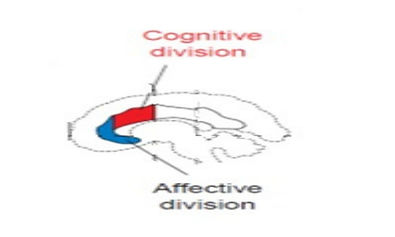
Smoking, an addictive behavior, is the most common cause of disease and death in the developed world. However, many smokers find it difficult to quit, even though they know the consequences can be severe. The American Psychiatric Association's DSM classifications and the US Department of Health's reports on nicotine dependence also highlight the strong addictive effect of nicotine. Quitting smoking can be quite difficult, and even after quitting, the relapse rate is very high due to the cravings experienced. The difficulty in quitting and the high relapse rate appear to be due to long-term changes in specific deep brain subsystems. One of the most challenging aspects of quitting smoking is the intense craving and risk of relapse that arises after the decision to quit. Animal models have shown that changes in areas such as the amygdala, nucleus accumens, and mesothelencephalic dopamine system promote the self-administration of harmful substances. Since craving is a significant factor leading to relapse among smokers trying to quit, controlling this craving can help with quitting. The anterior cingulate cortex (ACC) is part of the brain's limbic system. Based on lesion studies in animals and humans, this region has been shown to be associated with affect in both humans and animals. Based on EEG studies, a focal negativity develops after an error response, leading to the theory that the ACC may play a role in the brain's error detection and control. Neuropsychological studies show that the cognitive version of Counting Stroop activates the cognitive subdivision of Emotional Counting Stroop, while the emotional subdivision activates the cognitive subdivision. The cognitive subdivision is part of the distributed attention network, maintaining strong interconnections with the lateral prefrontal cortex (BA 46/9), parietal cortex (BA 7), and premotor and complementary motor areas. On the other hand, emotional splitting (ACad) is activated by affect-related tasks in normal volunteer work related to emotional processing and when symptoms are triggered in psychiatric disorders (anxiety, simple phobia, and obsessive-compulsive disorder). It has also been repeatedly activated by triggering sadness in normal individuals and in individuals with major depression. The emotional subdivision is connected to the amygdala, periaqueductal gray, nucleus accumbens, hypothalamus, anterior insula, hippocampus, and orbitofrontal cortex. According to functional imaging studies, areas such as the cingulate cortex, anterior cingulate cortex, orbitofrontal cortex, and insula appear to be activated in the presence of drug-related treatments.
INSULA
The insula is of particular interest due to its potential role in conscious impulses. It has been suggested that this area functions in conscious emotional feelings through its role in representing bodily (internal) states. 10-11-12 Subjective drug impulses induced by a cue have been shown to be associated with activity in the insula on both sides of the brain during a simple decision-making task related to relapse into drug use. During a simple decision-making task, a high amount of activity associated with drug use was observed in the right insula.
Interestingly, damage to the insula can lead to the loss of the urge to smoke.
Dr. from the University of Southern California and the University of Iowa According to Antoine Bechara and colleagues, compared to patients with other types of brain damage, patients with insula damage were able to quit smoking immediately, easily, and without relapse. Many methods exist for quitting smoking, ranging from nicotine replacement therapy to psychotherapy, and various personal development and behavior modification programs. However,
their success rates are quite low. It may take several attempts to completely abstain from smoking, and even then, those who quit may experience problems with quitting.
Although 70% of smokers report wanting to quit, only 5% report being able to do so.
The relapse rate is over 70%.
Smoking Cessation Behaviors in US Adults
Most adult smokers want to quit smoking. In 2015, 68% (22.7 million) of adult smokers said they wanted to quit smoking. More than half of adult smokers reported trying to quit smoking in the past year. In 2018, 55.1% (21.5 million) of adult smokers said they tried to quit smoking in the past year. Every year, one in ten adult smokers quit.
Many are successfully quitting smoking. In 2018, 7.5% (2.9 million) of adult smokers successfully quit smoking last year. Four out of nine adult smokers who consulted a health professional last year did not receive advice to quit smoking. Less than one-third of adult smokers use cessation counseling or medications approved by the Food and Drug Administration while trying to quit smoking. In 2015, 31.2% (7.6 million) of adult smokers reported using counseling or medication while trying to quit smoking. In 2015, 6.8% (1.7 million) of adult smokers reported using counseling, 29.0% (7.1 million) reported using medication, and 4.7% (1.1 million) reported using both counseling and medication while trying to quit smoking. In 2015, 57.2% (18.8 million) of adult smokers who consulted a health professional last year reported receiving advice to quit smoking. Even a short (3-minute) recommendation from a physician to quit smoking increases quitting rates and is extremely cost-effective. More than three out of five adults who have smoked have quit. In 2018, 61.7% of adult smokers (55.0 million adults) quit smoking.
Tobacco Quitting Behaviors Among U.S. Youth
Approximately two-thirds of young tobacco users report wanting to quit smoking in the past year, and almost two-thirds report trying to quit. In 2021, 65.3% of young people (middle and high school students) who currently use tobacco products reported seriously considering quitting all tobacco products. In 2021, 60.2% of young people who currently use tobacco products reported that they quit all tobacco products for a day or more in the past year because they were trying to quit. Daily pressures, environmental factors such as cigarette smoke, and other environmental factors and triggers can cause strong cravings as well as pleasant memories that can make it difficult to resist smoking. This is why most smoking cessation programs encourage people to avoid triggers, reduce stress, and find alternatives to smoking.
NEUROFEEDBACK
Instead of saying “Don’t smoke,” regulate the brain cycle that produces the urge to smoke. One of the methods found to be effective in changing addictive behavior is Neurofeedback (NF). NF is an operant conditioning paradigm in which patients are given conditioned auditory/visual rewards to produce specific patterns of brainwave activity. Since the 1960s, studies have shown that NF patients can be taught to improve the normal functioning of the brain by normalizing dysfunctional brainwave patterns characterized by excessively slow wave activity, or by normalizing patterns that deviate from age-related norms. NF provides the user with real-time feedback about brainwave activity, usually in the form of video images and sound. The goal is to provide the Central Nervous System (CNS) with real-time information about its current activity. For example, people are asked to increase beta or sensorimotor rhythm (SMR) and decrease delta and theta. When the desired paradigm is achieved, the patient is rewarded with a moving image and/or sound. This is operant conditioning. Studies using EEG neurofeedback have shown positive effects on medication use, treatment adherence, and cue reactivity in patients with cocaine and alcohol dependence. Neurological feedback provided via real-time functional magnetic resonance imaging (rtfMRI) can facilitate self-regulation of internal states by providing individuals with feedback from localized areas of interest while performing a task. In recent years, rtfMRI feedback has revealed its therapeutic potential by facilitating the modulation of brain activation associated with pain, depression, and Attention Deficit Hyperactivity Disorder (ADHD). Cantebery et al., using neurofeedback (NF) from the anterior cingulate cortex (ACC), a key desire area, were able to reduce desire and self-reported desire related to brain activation in a single session. In another study, feedback from the area of interest (ROI) related to craving in the ACC was more effective than multiple sessions of feedback related to simultaneous resistance from an ROI on the medial prefrontal cortex. This suggests that smokers can use feedback methods to effectively modulate their brain's responses and behaviors toward smoking cues to quit smoking, and that reducing activity in craving-related areas (e.g., ventral anterior cingulate cortex (vACC)) is more effective than increasing activity in resistant areas (e.g., dorsal medial prefrontal cortex (dmPFC)). The severity of addiction, severe craving, and smoking cessation outcomes are associated with ACC activation during exposure to smoking cues. This nicotine addiction
Studies show that the severity of the addiction can affect the neurofeedback response, where low to moderate nicotine-dependent smokers can use neurofeedback targeting the ACC to reduce craving-related activation. Biofeedback (BF) and/or NF training facilitates the modulation of autonomic and/or central nervous system activity that translates learned conditioning into behavior. Most studies investigating neuroplastic changes related to the training given have focused primarily on modulating the response to the craving for smoking, aiming to reduce or control it. Thus, behavioral outcomes include decreased craving, reduced severity of nicotine dependence, and reduced psychiatric symptoms.
STUDIES SHOW A 76-80% SUCCESS RATE OF NEUROFEEDBACK TREATMENT IN NICOTINE ADDICTION. At this point, the clinical value of neurofeedback is that instead of simply telling the person "don't smoke," it helps reorganize the brain cycle that produces the craving for smoking. Instead of automatically reverting to old smoking patterns when faced with a trigger, the goal is for the brain to learn to produce a more regulated and controlled response. Therefore, neurofeedback can be considered an important neurophysiological intervention option in smoking addiction in terms of craving, impulse control, stress management, attention regulation, and relapse prevention. In conclusion, smoking addiction is not just a chemical addiction to nicotine; it is a complex brain pattern where the anterior cingulate cortex, insula, prefrontal control networks, reward system, and bodily sensations work together. Without changing this pattern, it can be difficult for a person to achieve permanent cessation solely through willpower. Neurofeedback, however, offers a new and promising approach in the treatment of smoking addiction by enabling the brain to learn its own activity and develop healthier regulation patterns.
Source
1. Peto R, Lopez AD, Boreham J, Thun M, Heath C Jr. Lancet. 1992; 339:1268. [PubMed: 1349675]
2. American Psychiatric Association (A.P.A.). Diagnostic and Statistical Manual of Mental Disorders Text Revision: DSM-IV-TR. 4. A.P.A; Washington, DC: 2000. p. 191-296.
3. U.S. Department of Health and Human Services. 1988 Surgeon General’s Report: The Health Consequences of Smoking: Nicotine Addiction. Vol. chap 6. U.S. Government Printing Office;Rockville, MD: 1988. p. 377-458.
4. Allen, S. S., Bade, T., Hatsukami, D., & Center, B. (2008).Craving, withdrawal, and smoking urges on days immediately prior to smoking relapse. Nicotine & Tobacco Research, 10, 35–45.
5. Ferguson, S. G., & Shiffman, S. (2009). The relevance and treatment of cue-induced cravings in tobacco dependence.Journal of Substance Abuse Treatment, 36, 235–243.
6. Killen, J. D., & Fortmann, S. P. (1997). Craving is associated with smoking relapse: Findings from three prospective studies. Experimental and Clinical Psychopharmacology, 5, 137–142.
7. Vogt, B.A. et al. (1992) Functional heterogeneity in cingulate cortex:the anterior executive and posterior evaluative regions. Cereb. Cortex 2, 435–443
8. Grant S, et al. Proc Natl Acad Sci USA. 1996; 93:12040. [PubMed: 8876259]
9. Myrick H, et al. Neuropsychopharmacology. 2004; 29:393. [PubMed: 14679386]
10. Damasio AR, et al. Nat Neurosci. 2000; 3:1049. [PubMed: 11017179]
11. Damasio, AR. The Feeling of What Happens: Body and Emotion in the Making of Consciousness. Harcourt; Chicago: 2000
12. Craig AD. Nat Rev Neurosci. 2002; 3:655. [PubMed: 12154366]
13. Bonson KR, et al. Neuropsychopharmacology. 2002; 26:376. [PubMed: 11850152]
14. Brody AL, et al. Arch Gen Psychiatry. 2002; 59:1162. [PubMed: 12470133]
15. Wang GJ, et al. Life Sci. 1999; 64:775. [PubMed: 10075110]
16. Paulus MP, Tapert SF, Schuckit MA. Arch Gen Psychiatry. 2005; 62:761. [PubMed: 15997017]
17. https://www.cdc.gov/tobacco/data_statistics/fact_sheets/fast_facts/index.htm https://www.cdc.gov/tobacco/data_statistics/fact_sheets/cessation/smoking-cessation-fast-facts/index.html
18. Lubar JF. Discourse on the development of EEG diagnostics and biofeedback for attention-eficit/hyperactivity disorders. Biofeedback Self Regul. 1991;16(3):201–225.
19. Thompson L, Thompson M. Neurofeedback combined with training in metacognitive strategies: effectiveness in students with ADD. Appl Psychophysiol Biofeedback. 1998;23(4):243–263.
20. Peniston,E.G.,andKulkovsky,P.J.(1999).“Neurofeedback in the treatment of addictive disorders,”in Introduction to Quantitative EEG and Neurofeedback, eds A.Abarbarnel and J.R.Evans (London:AcademicPress),157–179.doi:10.1016/B978-012243790-8/50008-0
21. Scott,W.C.,Kaiser,D.,Othmer,S.,andSideroff,S.I. (2005). Effects of an EEG biofeedback protocol on a mixed substance abusing population. Am.J.Drug Alcohol Abuse 31, 455–469.doi:10.1081/ADA-200056807
22. Sokhadze,T.M.,Cannon,R.L.,and Trudeau,D. L. (2008).EEG-Biofeedback as a treatment for substance use disorders: review, rating of efficacy and recommendations for further research. Appl. Psychophysiol. Biofeedback 33, 1–28.doi:10.1007/s10484-007-9047-5
23.Arani FD, Rostami R, Nostratabadi M. Effectiveness of neurofeedback training as a treatment for opioid-dependent patients.Clin EEG Neurosci. 2010 Jul;41(3):170-7.
24. Dehghani-Arani F, Rostami R, Nadali H.Neurofeedback training for opiate addiction: improvement of mental health and craving. Appl Psychophysiol Biofeedback. 2013 Jun;38(2):133-41.
25. Li X, Hartwell KJ, Borckardt J, Prisciandaro JJ, Saladin ME, Morgan PS, Johnson KA, Lematty T, Brady KT, George MS. Volitional reduction of anterior cingulate cortex activity produces decreased cue craving in smoking cessation: a preliminary real-time fMRI study.
Addict Biol. 2013 Jul;18(4):739-48. Epub 2012 Mar 28.
26. Hartwell KJ, Prisciandaro JJ, Borckardt J, Li X, George MS, Brady KT.Real-time fMRI in the treatment of nicotine dependence: a conceptual review and pilot studies.Psychol Addict Behav. 2013 Jun;27(2):501-9. doi: 10.1037/a0028215. Epub 2012 May 7. Review.
27. Hartwell KJ, Lematty T, McRae-Clark AL, Gray KM, George MS, Brady KT. Resisting the urge to smoke and craving during a smoking quit attempt on varenicline: results from a pilot fMRI study. Am J Drug Alcohol Abuse. 2013 Mar;39(2):92-8. doi: 10.3109/00952990.2012.750665.
28. Hanlon CA, Hartwell KJ, Canterberry M, Li X, Owens M, Lematty T, Prisciandaro JJ, Borckardt J, Brady KT, George MS. Reduction of cue-induced craving through realtime neurofeedback in nicotine users: the role of region of interest selection and multiple visits. Psychiatry Res. 2013 Jul 30;213(1):79-81. Epub 2013 May 15.
29.Weiskopf N. Real-time fMRI and its application to neurofeedback.Neuroimage. 2012 Aug 15;62(2):682-92. doi: 10.1016/j.neuroimage.2011.10.009. Epub 2011 Oct 14. Review. PMID: 22019880
30. deCharms RC, Maeda F, Glover GH, Ludlow D, Pauly JM, Soneji D, Gabrieli JD, Mackey SC.Control over brain activation and pain learned by using real-time functional MRI. Proc Natl Acad Sci U S A. 2005 Dec 20;102(51):18626-31. Epub 2005 Dec 13.
31. Linden DE, Habes I, Johnston SJ, Linden S, Tatineni R, Subramanian L, Sorger B, Healy D, Goebel R. Real-time self-regulation of emotion networks in patients with depression. PLoS One. 2012;7(6):e38115. doi: 10.1371/journal.pone.0038115. Epub 2012 Jun 4.
32. Lévesque J, Beauregard M, Mensour B.Effect of neurofeedback training on the neural substrates of selective attention in children with attention-deficit/hyperactivity disorder: a functional magnetic resonance imaging study.Neurosci Lett. 2006 Feb 20;394(3):216-21.
Epub 2005 Dec 15.
33. Beauregard M, Lévesque J.Functional magnetic resonance imaging investigation of the effects of neurofeedback training on the neural bases of selective attention and response inhibition in children with attention-deficit/hyperactivity disorder.Appl Psychophysiol Biofeedback. 2006 Mar;31(1):3-20.
34. Canterberry M, Hanlon CA, Hartwell KJ, Li X, Owens M, LeMatty T, Prisciandaro JJ, Borckardt J, Saladin ME, Brady KT, George MS. Sustained reduction of nicotine craving with real-time neurofeedback: exploring the role of severity of dependence. Nicotine Tob Res.
2013 Dec;15(12):2120-4.
35. Li, X., Hartwell, K. J., Borckardt, J., Prisciandaro, J. J., Saladin, M. E., Morgan, P. S., … George, M. S. (2013). Volitional reduction of anterior cingulate cortex activity produces decreased cue craving in smoking cessation: A preliminary real-time fMRI study. Addiction
Biology, 18, 739–748.
36. Hanlon CA1, Hartwell KJ, Canterberry M, Li X, Owens M, Lematty T, Prisciandaro JJ, Borckardt J, Brady KT, George MS. Reduction of cue-induced craving through realtime neurofeedback in nicotine users: the role of region of interest selection and multiple visits.
Psychiatry Res. 2013 Jul 30;213(1):79-81. doi: 10.1016/j.pscychresns.2013.03.003. Epub 2013 May 15.
37. Predicting smoking cessation and major depression in nicotine-dependent smokers. American Journal of Public Health, 90, 1122–1127.
38. Watson, N. L., Carpenter, M. J., Saladin, M. E., Gray, K. M., & Upadhyaya, H. P. (2010). Evidence for greater cue reactivity among low-dependent vs. high-dependent smokers. Addictive Behaviors, 35, 673–677.
39. McClernon, F. J., Kozink, R. V., & Rose, J. E. (2008). Individual differences in nicotine dependence, withdrawal symptoms, and sex predict transient fMRI-BOLD responses to smoking cues. Neuropsychopharmacology, 33, 2148–2157.
40. Smolka, M. N., Bühler, M., Klein, S., Zimmermann, U., Mann, K., Heinz, A., & Braus, D. (2006). Severity of nicotine dependence modulates cue-induced brain activity in regions involved in motor preparation and imagery. Psychopharmacology, 184, 577–588.
41. Grimsley D.L. Nicotine effects on biofeedback training. J. Behav. Med. 1990;13(3):321–326.
42. Pandria N. Exploring the neuroplastic effects of biofeedback training on smokers. Behav. Neurol. 2018;2018:1–19.
43. Pandria N, Athanasiou A, Konstantara L, Karagianni M, Bamidis PD. Advances in biofeedback and neurofeedback studies on smoking. Neuroimage Clin. 2020;28:102397. doi: 10.1016/j.nicl.2020.102397. Epub 2020 Aug 25. Erratum in: Neuroimage Clin. 2021;30:102642. PMID: 32947225; PMCID: PMC7502375.
44. Keilani M, Steiner M, Crevenna R. The effect of biofeedback on smoking cessation-a systematic short review. Wien Klin Wochenschr. 2022 Jan;134(Suppl 1):69-76. doi: 10.1007/s00508-021-01977-x. Epub 2021 Dec 6. PMID: 34870741; PMCID: PMC8825623.
45. https://cordis.europa.eu/article/id/123716-new-tools-and-practices-against-smoking-
smokefreebrain-research-and-innovation-project